




How to Protect Gemstones – The Ultimate Guide to Preventing Damage
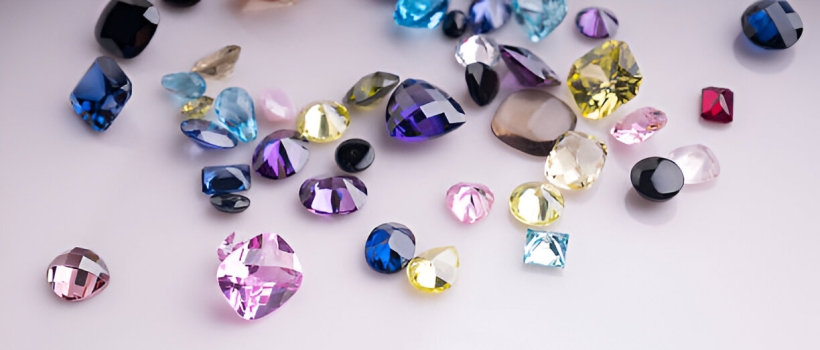
Gemstones are not just beautiful accessories — they are timeless treasures, often carrying both financial value and deep personal meaning. Whether you own a sparkling Diamond, a mystical Blue Sapphire (Neelam), or a powerful Pukhraj (Yellow Sapphire), knowing how to protect gemstones is essential to preserving their brilliance and longevity.
In this ultimate guide, we’ll cover practical tips on caring for your gemstones, cleaning them safely, and avoiding common mistakes that could damage your precious stones.
Gemstones, despite their natural strength, are not indestructible. Over time, exposure to chemicals, heat, rough handling, and improper storage can dull their shine or even cause cracks.
Here’s why protecting your gemstones is so important:
Preserve Value: Natural gemstones like Ruby (Manik) and Emerald (Panna) are rare, making their preservation essential for maintaining value.
Durability: Even hard stones like diamonds can chip if struck with enough force.
Longevity: Proper care ensures your gemstones last generations as heirlooms.
Remove before chores: Take off gemstone jewelry before gardening, cooking, or cleaning.
Avoid impact: Hard blows can chip even the strongest stones.
Keep away from heat: Sudden temperature changes may cause cracks.
Separate storage: Store each gemstone in a soft pouch or box to prevent scratching.
Use mild soap & lukewarm water: Gently clean gemstones with a soft cloth.
Avoid harsh chemicals: Substances like bleach or chlorine can damage porous stones such as Gomed (Hessonite).
Be careful with ultrasonic cleaners: While safe for some diamonds, they can harm softer stones like pearls and opals.
Regular inspections: Have your gemstone settings checked by a professional jeweler.
At ODGL, each stone is certified with a Gemstone Report, which details its characteristics — a useful reference when assessing condition and value.
Soft gemstones: Pearls, Amber, Opal — very delicate and prone to scratches.
Hard gemstones: Diamond, Ruby, Blue Sapphire — durable but still need careful storage.
Porous gemstones: Emerald, Gomed — easily damaged by chemicals and moisture.
Padded boxes: Use jewelry cases lined with velvet or fabric.
Anti-tarnish strips: Keep gemstones looking fresh.
Travel smart: Wrap each piece separately and avoid carrying them loose in bags.
Wearing gemstone jewelry in swimming pools or hot tubs.
Mixing hard stones like diamonds with softer gems in the same pouch.
Skipping professional inspections and cleanings.
Your gemstones are more than just ornaments — they are powerful carriers of beauty, energy, and tradition. By practicing simple care routines, you can keep your precious stones radiant for a lifetime. Whether it’s a sparkling Diamond, a healing Pukhraj, or a mystical Blue Sapphire, protecting them ensures they continue to shine for generations to come.
Q1. What is the best way to store gemstones safely?
A: Always store gemstones separately in soft pouches or fabric-lined boxes.
Q2. Can I wear my gemstone jewelry every day?
A: Yes, but avoid exposure to chemicals, heat, and rough physical activities.
Q3. How often should I clean my gemstones?
A: Light cleaning every 2–3 weeks and professional cleaning once or twice a year.
Q4. Which gemstones are the most delicate?
A: Pearls, Opals, and Emeralds require extra care compared to Diamonds or Sapphires.
Q5. Can sunlight damage gemstones?
A: Yes, certain stones like Amethyst and Topaz fade with prolonged exposure.
_or_Bangkok_(1).png)
.jpg)

Comments
Post Comments